Updated
If you own a vacation home, whether to enjoy or rent out, nailing down the right insurance coverage is a key detail. Since vacation homes come with more risk to insurers than primary residences, vacation home insurance coverage is a bit different from a standard home insurance policy.
But the costs, eligibility, and coverage depend on the property’s location and how you plan to use it.
Here’s what you need to know about vacation home insurance.
Vacation home insurance differs from standard homeowners insurance because the home is typically occupied less frequently.
Coverage needs can vary by location, rental use, and the length of time you leave the home vacant.
Comparing insurers and policy options can help you find the right coverage to fit your vacation home’s unique situation.
How Vacation Home Insurance Works
A vacation home is a second home you don’t use as a primary residence. Vacation home insurance policies work similarly to standard home insurance policies for primary residences. But rates may be higher since vacation homes often come with more risk for insurers.
Whether or not you choose to rent out your vacation home affects the type of insurance you need. If you use the property for short-term rentals or tenants, you’ll likely need additional coverage or a separate landlord policy.[1]
Find Cheap Vacation Home Insurance
Compare partners with top insurers for real-time quotes.
Vacation Home Insurance vs. Primary Home Insurance
Buying vacation home insurance might look similar to getting coverage for your primary residence. But there are some key risk factors to keep in mind:
Vacation Home | Primary Home | |
|---|---|---|
| Occupancy | Increased risk due to more frequent vacancies
| Living full time in a place limits the likelihood of theft, vandalism, and undetected issues |
| Amenities | More likely to have risky amenities like pools and hot tubs | Less likely to have risky amenities |
| Cost | Generally more expensive | Generally more affordable |
| Location | Often in a picturesque location but exposed to natural disasters like wildfires and hurricanes | Often better protected from disasters |
Overall, insurance companies view insuring a second home as riskier than insuring a primary residence. With that, vacation homes often come with higher insurance costs than primary residences.
What Vacation Home Insurance Typically Covers
)
Coverage details of a vacation home insurance policy vary from policy to policy, but most cover the following:[2]
Dwelling coverage: If a covered peril damages your home, this portion of your policy can help pay for repairs or rebuilding costs. For example, dwelling coverage might help you repair the roof after a storm.
Personal property coverage: Personal property coverage may help to replace damaged or stolen personal belongings you keep at the vacation home, up to the policy’s coverage limits.
Personal liability protection: If someone sustains an injury on your property or you cause damage to someone else’s property, personal liability coverage can help pay for the loss, injury, or any necessary legal representation.
Common Coverage Gaps and Exclusions to Watch for
A vacation home insurance policy won’t cover everything. To avoid an unpleasant surprise, it’s helpful to understand exactly what you have coverage for and what you don’t have coverage for. Here’s a look at some things vacation home policies often won’t cover:[3]
Wear and tear: Properties age over time, which means maintenance issues and wear can come up. But home insurance policies don’t cover standard wear and tear.
Flooding: A standard home insurance policy doesn’t cover damage from flooding. But you can purchase a separate flood insurance policy from the National Flood Insurance Program (NFIP) or a private insurer.
Earthquakes: Like flooding, most home insurance policies typically don’t cover earthquake damage. If you want this protection, you can purchase a separate policy.
Additionally, it’s important to find out exactly what type of occupancy your vacation home insurance policy covers. Many don’t include coverage for short-term rentals, but some do. You’ll need to make sure your particular insurance policy covers the uses you have in mind.
Shop for Vacation Home Insurance
See quotes from top companies in minutes.
Best Companies to Insure Your Vacation Home
It’s helpful to shop around for vacation home insurance, as no single insurance company is the best for every situation. But some insurers consistently offer worthwhile coverage to policyholders.
You can explore some of the best companies for vacation home insurance below.
Farmers offers a wide array of secondary home insurance options, including coverage for seasonal homes, vacation homes, vacant homes, and rental properties. It also offers coverage for older and lower-value homes that might serve as your getaway. Earthquake and flood insurance are also available through Farmers.
Specialty coverage options available
Flood and earthquake coverage available
Discounts vary by state
Below-average J.D. Power customer satisfaction rating
Progressive’s easy-to-use online interface makes buying and managing your property insurance policy a breeze. But you can also work with an agent over the phone. Progressive offers both second home insurance coverage and landlord insurance for added flexibility.
Easy-to-use online interface
Multiple policy bundling options
Below-average J.D. Power customer satisfaction rating
Limited number of add-ons available
American Family offers temporary rental coverage, which will come in handy for second home owners who rent out the place for 62 days or less per year. This could be a way to tap into the rental income potential of your vacation home without needing landlord insurance.
Above-average J.D. Power customer satisfaction rating
Temporary rental insurance available
Available in only 19 states
Limited number of discount opportunities
Vacation Home Insurance Costs
Vacation home insurance is typically more expensive than primary home insurance.[4] That’s because these homes often represent more of a risk than your primary residence. For starters, you won’t be there regularly to monitor the property, which could mean a higher chance of undetected damage, theft, or vandalism.
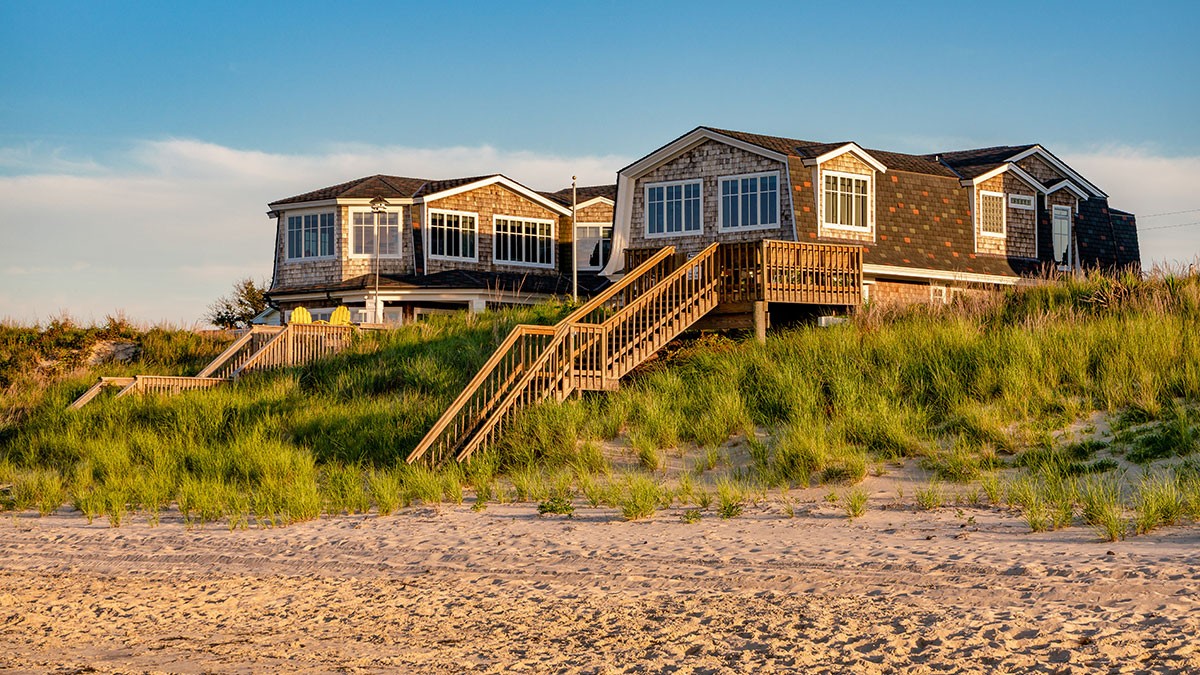
Beyond limited supervision of the property, many second homes are in beautiful locations that are prone to more risk, like severe weather. For example, your beach-house oasis might be the perfect place to relax. But close proximity to the ocean could put the property at higher risk of damage from a major storm.
Like all insurance types, the costs of vacation home insurance will vary widely based on where your property is and how you plan to use it.
Factors That Affect Vacation Home Insurance Rates
)
Insurance companies take many factors into account when determining your vacation home policy premiums. A few of the key details include:
Location: Where the property is plays a significant role in your insurance costs. For example, beachside properties in flood-prone areas may face higher risks and higher insurance costs than more inland properties.
Type of property: Single-family vacation homes typically come with higher insurance costs than multi-unit buildings.
Amenities: Details like a pool or hot tub might enhance your vacation experience, but they’ll likely come with a higher insurance price tag due to the additional liability risk.
Occupancy patterns: How often you plan to use the space or rent it out to others will affect your costs. Generally, spending more time at the property yourself can help lower insurance costs.
Insurance Options for Rental and Short-Term Vacation Homes
When you choose to rent out a vacation home, your insurance needs change. In many cases, a standard vacation home insurance policy isn’t enough. After all, the baseline policy is for personal use, not frequent paying guests. If you decide to rent out your vacation house, that comes with increased liability risks.
If you’re planning to rent out your second home occasionally, adding an endorsement to your standard vacation home policy might be enough. But if you’re planning to rent it out more frequently, you might need to purchase a landlord or rental home policy.
Compare Home Insurance Quotes Instantly
Find a policy to protect your vacation home.
How to Get Cheaper Vacation Home Insurance
No one wants to pay more than they have to for insurance. Use the following strategies to help you tap into more affordable vacation home insurance:
Shop around. Every insurer has a different way of assessing risk, leading to different premiums across insurers. Get quotes from multiple insurers to ensure you get the best available rate.
Install an alarm system. Many insurers offer a discount to homeowners with a functional security system. Adding an alarm system could help you save on rates.
Bundle your policies. Buying multiple insurance policies through the same company can lead to a discount. For example, you might buy other insurance products, like auto insurance, life insurance, umbrella insurance, or pet insurance, from the same insurer to tap into a discount.
Evaluate risks before buying a vacation home. More risk will lead to higher insurance premiums. Minimizing risk can help you save on your insurance costs. For instance, buying a home further away from the beach or closer to a fire station could lead to insurance savings.
Vacation Home Insurance FAQs
If you still have questions about vacation home insurance, we have helpful answers below.
Is insurance cheaper for a vacation home?
The exact cost of insurance for a vacation home varies based on the situation. But vacation home insurance is generally more expensive due to the higher levels of risk associated with many second homes.
Do you need insurance for a vacation home?
While insurance for a vacation home likely won’t be required by law, most lenders require borrowers to hold a minimum amount of insurance for their vacation home. Even if you’ve bought a second home without a mortgage, it’s generally a smart move to carry insurance to protect your investment.
What does vacation home insurance cover?
The details of a vacation home insurance policy will vary. But generally, these policies include coverage to help you repair or rebuild the house after damage from a covered event and replace stolen or damaged belongings held at that property.
How does a second home insurance policy work?
A second home insurance policy works in a similar way to the policy you have on your primary residence. You’ll purchase a homeowners insurance policy for your second home, which can help pay to repair or rebuild the property after a covered event causes damage.
Can you rent out your vacation home and still be covered by insurance?
Generally, you’ll need more than a standard homeowners insurance policy to stay covered while renting out a vacation home. But the specifics vary based on your policy details.
Does an umbrella policy cover a second home?
Yes. An umbrella policy can cover a second home if you’ve specifically listed it in the policy.
Sources
- Insurance Information Institute. "Coverage for renting out your home."
- Insurance Information Institute. "What is covered by standard homeowners insurance?."
- Insurance Information Institute. "Which disasters are covered by homeowners insurance?."
- Insurance Information Institute. "Insuring a vacation home."