Can You Get Homeowners Insurance Without an Inspection?

Some insurers offer homeowners insurance without an inspection — but there are trade-offs. Learn when insurers require inspections and what they look for.

Secure. Free. Easy-to-use.
4.6 / 5861 reviews
Been here before? Get your quotes back.
Jessica Martel
Writer: Jessica MartelPersonal Finance Writer

Jessica is a freelance writer, professional researcher, and mother of two rambunctious little boys. She specializes in personal finance, women and money, and financial literacy. Jessica is fascinated by the psychology of money and what drives people to make important financial decisions. She holds a Masters of Science degree in Cognitive Research Psychology.

Nick Versaw
Editor: Nick VersawSenior Managing Editor

Qualifications:
  • 10+ years writing and editing insurance content

  • Published in Washington Post, LA Times, and more


Nick leads Compare.com's editorial team in creating helpful, easy-to-understand content about insurance and personal finance.

MacK Korris
Reviewer: MacK KorrisLicensed P&C Insurance Agent and Expert Fact-Checker

Qualifications:
  • Licensed property and casualty insurance agent

  • 10+ years editing experience

  • NPN: 21630969


A licensed P&C agent in Missouri, MacK leverages his insurance expertise to fact-check and review Compare.com content.

Updated

Why You Can Trust Compare.com: At Compare.com, it’s our mission to find simple ways to help our customers save money on the things they need. While we partner with some of the companies and brands we talk about in our articles, all of our content is written and reviewed by our independent editorial team and never influenced by our partnerships. Learn about how we make money, review our editorial standards, and reference our data methodology to learn more about why you can trust Compare.com.

It may be possible to get home insurance without an in-person home inspection up front — especially for newer homes and or low-risk locations.

Some insurers may still request an inspection later on if you get a new policy, refinance your mortgage, or switch insurance companies. And most insurers require advance inspections for high-value homes or homes built in high-risk areas, too.

Learn when you’ll likely need a home inspection, the different types of insurance inspections, and what you can do if your home fails an inspection.

Key Takeaways
  • Insurers may ask for an inspection to assess your home’s potential exposure to risk and eligibility for home insurance.

  • Insurance companies can require different types of home inspections, like external, internal, drone-powered, or self-reported inspections.

  • If your home doesn’t pass a required inspection, you may have to make repairs, your insurer could raise your rates, or your insurer could cancel your policy, depending on the reason for the inspection failure.

Common Scenarios Where Insurers Don’t Require a Home Inspection

It’s up to your insurer to decide if and when to do an inspection. But in certain scenarios, it’s more common for insurers to issue a policy without an inspection.[1]

  • New home: Insurers can often verify details about your home using public records when you live in a newly constructed or recently renovated home.

  • Low-risk area: If your home is in an area with a low risk of exposure to crime and natural disasters, insurers may decide you don’t need an inspection.

  • Low-value home: Modest, lower-value homes that would cost less for the insurer to repair or replace may not need an inspection.

  • Recent inspection: If a recent inspection didn’t uncover any major issues, your insurer might be willing to let you skip a new home inspection.

  • Clean claims history: When you don’t have any prior insurance claims, it can signal that you’re less of a risk to your insurer.

In some cases, your insurer might use exterior aerial imagery or refer to prior insurance records instead of requiring a full inspection.

When Insurers Will Likely Require a Home Inspection

Your insurer is likely to require a home inspection in the following situations:[2]

  • The home is older. If you live in an older home with aging systems, structures, and materials — such as the original roof — this can present more risk to your insurer and may require an inspection.

  • The home is in a high-risk location. When your home is in an area with high crime rates, at risk for natural disasters, or you have risky features on the property, like a pool, you’ll likely need an inspection.

  • You’re switching insurers. If you decide to switch home insurance companies, your new insurer may request an inspection before you can buy a policy.

  • You’re buying a high-value home. Expensive homes mean more financial risk for the insurer, so it may require an inspection.

  • There’s no recent inspection. If there’s no recent inspection documentation available from a previous sale or remodel, your insurer may request a new inspection.

Find Cheap Home Insurance

Compare partners with top insurers for real-time quotes.

Excellent
4.6 out of 5 based on 861 reviews
Secure. Free. Easy-to-use.
ProgressiveLiberty MutualAllstate

Types of Home Insurance Inspections

Your insurer may request different types of home insurance inspections. Here’s a look at some common inspections that you may need in order to get home insurance.

Exterior-only inspection

An exterior inspection is the most common type of insurance inspection. The inspector will typically assess things like the age and condition of your roof. They’ll check for cracks in the home’s foundation and check your gutters and downspouts, walkways, driveway, and landscaping. Inspectors often conduct this type of inspection from the street or using a drone.

Interior inspection

An interior inspection is less common and usually reserved for high-value or older homes. The insurance inspector will look at the condition of your basement, crawl space, or attic, and check major systems, including plumbing, heating, ventilation, and air conditioning (HVAC), and electrical. They’ll also review safety features, such as your home’s fire alarms, carbon monoxide detectors, or security system.

Aerial or drone inspection

Insurance companies may also use images from satellites or drones to check the condition of your home. This inspection method looks at the condition of your roof, trees, and any surrounding risks. This is a popular “no-touch” method that insurers can use to price your policy without physically visiting your property.

Self-reported inspection

A self-report inspection is the do-it-yourself (DIY) version of an inspection process. Your insurance company will ask you to complete a questionnaire and submit photos. Insurers may request pictures of your home’s exterior, any additional structures, as well as your plumbing, electrical, and HVAC systems. They might also ask for a video of your home’s interior. This technique requires no appointment, is fast, and common in online underwriting.

Check out the table below to see what insurers typically check based on the type of home inspection.

 
Exterior Only
Interior
Aerial or Drone
Self Report
Roof condition✔ ✔✔
Chimney✔ ✔✔
Drainage systems (downspouts, gutters)✔   
Foundation✔   
Walkway/ driveway✔   
Landscaping✔ ✔✔
Windows/doors✔   
Detached structures✔ ✔✔
Basement/attic/crawl space ✔ ✔
Safety features (smoke alarms, carbon monoxide detectors) ✔ ✔
Security system ✔ ✔
Major systems (electrical, plumbing, HVAC) ✔ ✔

Can You Get Home Insurance Coverage With an Appraisal?

You typically don’t need an appraisal to get home insurance coverage. Insurance companies typically ask for home inspections only to assess the condition of your home and look for potential risks. The information helps to determine the replacement cost of your home and calculate your home insurance rates.

But if you finance your home, your lender usually will require an appraisal. A home appraisal assesses the value of your home.

Tips for Passing a Home Inspection

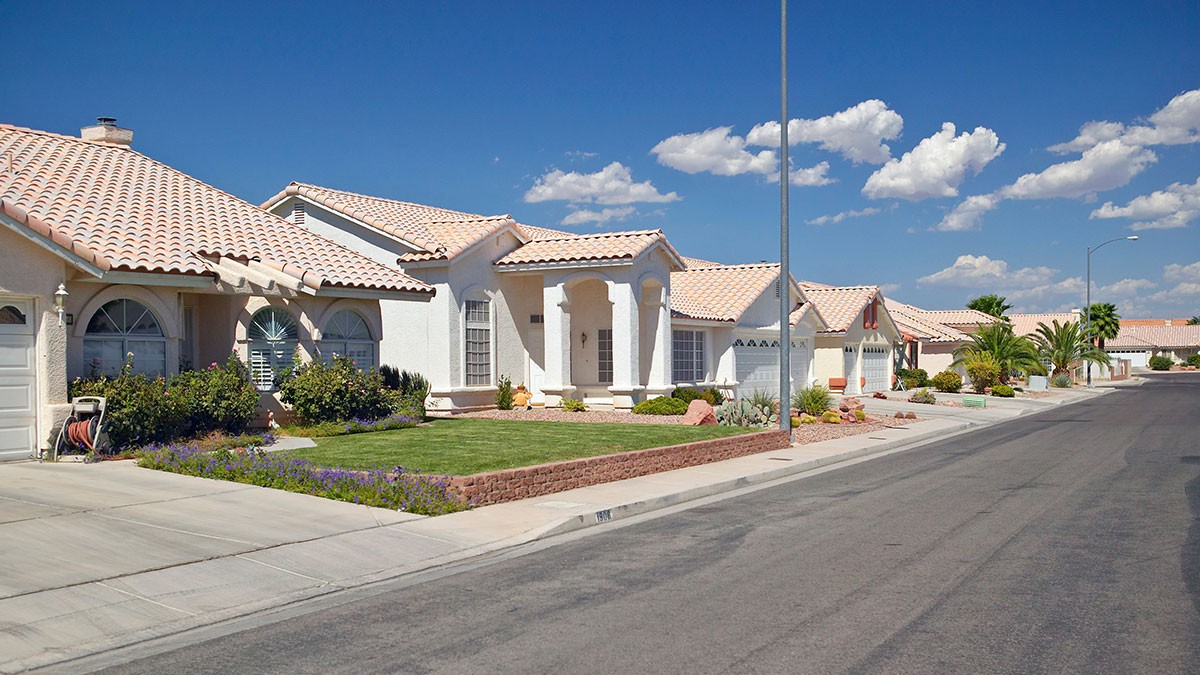
Suburban street with rows of similar white houses, red-tiled roofs, manicured lawns, under a clear blue sky with scattered clouds.

Here are a few steps you can take to increase your chances of passing a home inspection:

  • Check alarms. Test your smoke and carbon monoxide detectors to make sure they’re in working order, and review the expiration date on any fire extinguishers.

  • Clean the gutters. Clean out your downspouts and gutters so water drains properly.

  • Fix your roof. Replace any missing shingles, and make sure your roof is clear of debris.

  • Look for leaks and pests. Check your attic, basement, or crawl space for water damage or signs of pests, like rodents or termites.

  • Check doors and windows. Make sure all doors and windows function properly. Don’t forget to check for working locks and broken window seals.

Compare Home Insurance Quotes Instantly

See quotes from top insurers in minutes.

Excellent
4.6 out of 5 based on 861 reviews
Secure. Free. Easy-to-use.
ProgressiveLiberty MutualAllstate

What Happens if Your Home Fails an Insurance Inspection?

If your home fails an insurance inspection, you might face a few different outcomes, including:

  • Repairs with a deadline: Your insurer may offer a period of time during which you can make the suggested repairs. If you can address the issues, you can likely still get new insurance or keep your existing policy. Coverage usually stays in place during repairs, but not always, so to avoid a lapse in coverage, it’s important to understand what your insurer requires.

  • Exclusion of certain coverages: Depending on the issues identified in your inspection, your insurer might not cover parts of your property, such as an older roof, a rotten deck, or a pool.

  • Increase in your premium: In some cases, your insurer might raise your rates to cover added risks identified in the inspection, like a new addition, wood stove, or trampoline. Your insurer may also require you to carry higher policy limits or get extra protection, like flood insurance.

  • Cancellation or non-renewal of policy: Your insurer might decide to cancel your policy or not renew it. If you struggle to find another insurer, you may qualify for high-risk coverage through your state’s Fair Access to Insurance Requirements (FAIR) Plan.[3]

Homeowners Insurance Without an Inspection FAQs

If you still have questions about home insurance inspections, check out the following answers to some of our most commonly asked questions.

Why do insurance companies request home inspections?

Homeowners insurance companies request home inspections to identify potential risks and eligibility for coverage. Inspections can show issues with your home’s exterior and interior that may cause insurers to deny or drop coverage, raise your rates, or require extra coverage, like higher policy limits.

Can you ask for homeowners insurance with no inspection at all?

If you live in a new home in a low-risk area and have a clean claims history, you might be able to get insurance without a standard inspection. But your insurance company may still ask for an inspection later on in certain situations, like when you refinance or switch insurers.

How much does a home inspection cost?

A standard home inspection costs an average of $343, according to HomeAdvisor.[4] Most homeowners pay between $296 and $424, but costs can vary based on the type of inspection required and other factors, like the size and location of your home.

How long does a home inspection take?

It depends. Inspection times vary in length, depending on the type of inspection needed. For example, an aerial or drone inspection may take only a few minutes, while an on-site exterior and interior inspection often takes a few hours or more, depending on the size and condition of your home.

What is a four-point home inspection?

A four-point inspection evaluates the four main systems in your home: your roof, plumbing, electrical, and combined heating, ventilation, and air conditioning (HVAC) systems. Insurance companies use four-point home inspections to evaluate risk before issuing a policy.

Sources

  1. Redfin. "Can You Get Homeowners Insurance Without an Inspection?."
  2. American Home Inspectors Training. "Home Insurance Inspections: What You Need to Know."
  3. Insurance Information Institute. "What are Fair Plans and how might they provide insurance coverage?."
  4. HomeAdvisor. "How Much Does a Home Inspection Cost in 2026?."
Jessica Martel
Writer: Jessica MartelPersonal Finance Writer

Jessica is a freelance writer, professional researcher, and mother of two rambunctious little boys. She specializes in personal finance, women and money, and financial literacy. Jessica is fascinated by the psychology of money and what drives people to make important financial decisions. She holds a Masters of Science degree in Cognitive Research Psychology.

Nick Versaw
Editor: Nick VersawSenior Managing Editor

Qualifications:
  • 10+ years writing and editing insurance content

  • Published in Washington Post, LA Times, and more


Nick leads Compare.com's editorial team in creating helpful, easy-to-understand content about insurance and personal finance.

MacK Korris
Reviewer: MacK KorrisLicensed P&C Insurance Agent and Expert Fact-Checker

Qualifications:
  • Licensed property and casualty insurance agent

  • 10+ years editing experience

  • NPN: 21630969


A licensed P&C agent in Missouri, MacK leverages his insurance expertise to fact-check and review Compare.com content.