What Is Uninsured Motorist Coverage, and Do You Need It?

Uninsured motorist coverage is worth considering because it can help pay for your injuries and, in some cases, vehicle damage if an uninsured driver hits you. Most states require insurers to offer it, but some allow you to decline coverage.

Secure. Free. Easy-to-use.
4.6 / 5872 reviews
Been here before? Get your quotes back.
Mandy Sleight
Writer: Mandy SleightInsurance Writer

Mandy Sleight has over 15 years of insurance knowledge and expertise in auto, home, life, health, pet, supplemental benefits, and other insurance products. She’s a sought-after insurance expert, appearing in Bankrate.com, Moneygeek.com, U.S. News & World Report, Reviews.com, CNET, and other publications, and she's been writing for Compare.com since 2023.

Mandy uses her background and experience working for well-known insurance companies like State Farm and Nationwide Insurance to create engaging and easy-to-understand content that helps readers make smarter insurance choices that have a positive effect on their budgets and finances.

Lequita Westbrooks
Editor: Lequita WestbrooksSenior Editor

Qualifications:
  • 3+ years editing insurance content

  • 10+ years in content creation


Lequita's extensive editorial experience spans insurance, personal finance, higher education, and more.

Katie Powers headshot
Reviewer: Katie PowersLicensed P&C Agent and Insurance Editor

Qualifications:
  • Licensed property and casualty insurance agent

  • 5+ years editing insurance content

  • NPN: 20564519


A seasoned editor, insurance author, and licensed agent, Katie is an expert reviewer fact-checking Compare.com articles.

Updated

Why You Can Trust Compare.com: At Compare.com, it’s our mission to find simple ways to help our customers save money on the things they need. While we partner with some of the companies and brands we talk about in our articles, all of our content is written and reviewed by our independent editorial team and never influenced by our partnerships. Learn about how we make money, review our editorial standards, and reference our data methodology to learn more about why you can trust Compare.com.

Around one in seven drivers, or more than 15%, were uninsured in 2023.[1] When comparing car insurance options, consider adding uninsured motorist (UM) coverage to your policy to protect you after a crash with an uninsured driver.

Forty-two states require some level of UM coverage, though some let you decline it in writing.[2] UM coverage is relatively affordable, costing an average of around $89 per year, according to the National Association of Insurance Commissioners (NAIC).[2] But rates vary by state and insurer.

Understanding what UM coverage pays for and when it applies can help you determine whether you need it and how much you need.

Key Takeaways
  • UM coverage can help pay for your injuries and vehicle damage after a crash with an uninsured at-fault driver.

  • Twenty-three states require UM insurance, while 19 others make it optional.

  • Collision coverage helps pay for your vehicle damage, while personal injury protection (PIP) covers medical bills and lost wages regardless of fault. UM coverage helps cover losses caused by uninsured at-fault drivers.

What Is Uninsured Motorist Coverage?

Uninsured motorist coverage helps cover your vehicle damage and injuries if someone hits you and doesn’t have liability insurance. Similar to liability coverage, it comes in two forms: uninsured motorist bodily injury (UMBI) coverage and uninsured motorist property damage (UMPD) coverage.

Liability insurance covers property damage and injuries you cause to others, while UM coverage covers damage and injuries someone causes you.

For example, if an uninsured driver runs a red light and hits you, your own UMBI coverage can help pay your medical bills and lost wages. Your UMPD coverage can help pay to fix or replace your car, even though the other driver was at fault.

Uninsured vs. underinsured motorist coverage

Sometimes a driver has auto liability insurance, but not enough to cover your medical costs or vehicle damage. That’s where underinsured motorist (UIM) coverage comes in. It can cover the gap when the at-fault driver’s liability coverage falls short.

So, if someone hits you and has no insurance, you can file a claim under your UM coverage. But let’s say they only have $10,000 in bodily injury liability coverage, and your medical bills total $40,000. Your UIM coverage may help cover the difference, depending on your policy and state laws.

Insurers may offer uninsured and underinsured motorist coverage together for a single premium.

Compare Car Insurance Quotes

Check quotes from 120+ top insurance companies.

Excellent
4.6 out of 5 based on 872 reviews
Secure. Free. Easy-to-use.
ProgressiveLiberty MutualAllstate

What Uninsured Motorist Coverage Covers 

UM coverage can help pay for injuries and certain out-of-pocket costs when an uninsured driver causes a crash. Your coverage types, limits, deductible, state laws, and policy exclusions determine what your insurer covers.

Depending on your state and policy, UM coverage may help pay for:

  • Medical expenses and ongoing medical costs

  • Lost wages if your injuries keep you from working

  • Pain and suffering

  • Funeral expenses after a fatal accident

  • Damage to your vehicle

  • A rental car

  • Your vehicle’s diminished value

The table below compares uninsured and underinsured motorist coverage with collision coverage to show what each covers and when it applies.

Coverage Type
What It Pays for
When It Applies
Uninsured motorist bodily injuryMedical bills, lost wages, and other covered injury-related expensesAn at-fault driver injures you and has no liability insurance
Uninsured motorist property damageRepairs to your vehicle or other covered property, minus any applicable deductibleAn at-fault driver damages your vehicle and has no insurance, or a hit-and-run occurs, and your policy covers it
Underinsured motorist bodily injuryCovered injury-related expenses that exceed the at-fault driver’s bodily injury liability limitsThe at-fault driver has insurance, but not enough to cover your injury costs
Underinsured motorist property damageCovered property damage expenses that exceed the at-fault driver’s property damage liability limits, minus any applicable deductibleThe at-fault driver has insurance, but not enough to cover your property damage costs
Collision coverageRepairs or the actual cash value of your car if it’s a total loss, minus your collision deductibleDamage to your vehicle from a collision, regardless of fault

When Uninsured Motorist Coverage Applies

UM coverage can help protect you when another driver causes a crash without insurance or enough coverage to pay for your losses.

Here are some common scenarios that may qualify for UM/UIM coverage:

  • Accidents with uninsured drivers: An at-fault driver has no auto insurance policy to cover your injuries or property damage.

  • Hit-and-run accidents: A driver hits your vehicle and flees without sharing their information.

  • Underinsured drivers: The at-fault driver has insurance, but their liability limits aren’t enough to fully cover your losses.

States That Require Uninsured Motorist Coverage 

Twenty-three states require UM coverage. Nineteen additional states require insurers to offer it, but policyholders can reject it in writing. 

Car insurance requirements vary by state, including which types of coverage drivers must purchase. For example, Maryland and Washington, D.C. require both UMBI and UMPD coverage.[3] [4] Illinois and Missouri only require UMBI coverage, but you can add UMPD coverage.[5] [6]

In states that allow drivers to decline UM coverage, insurers usually ask drivers to sign a rejection form confirming that the insurer offered the coverage but that they’re choosing not to buy it. 

Before signing, consider whether you could afford to pay for medical bills, lost wages, or vehicle repairs out of pocket after an accident with an uninsured driver.

How Much Uninsured Motorist Coverage Do You Need?

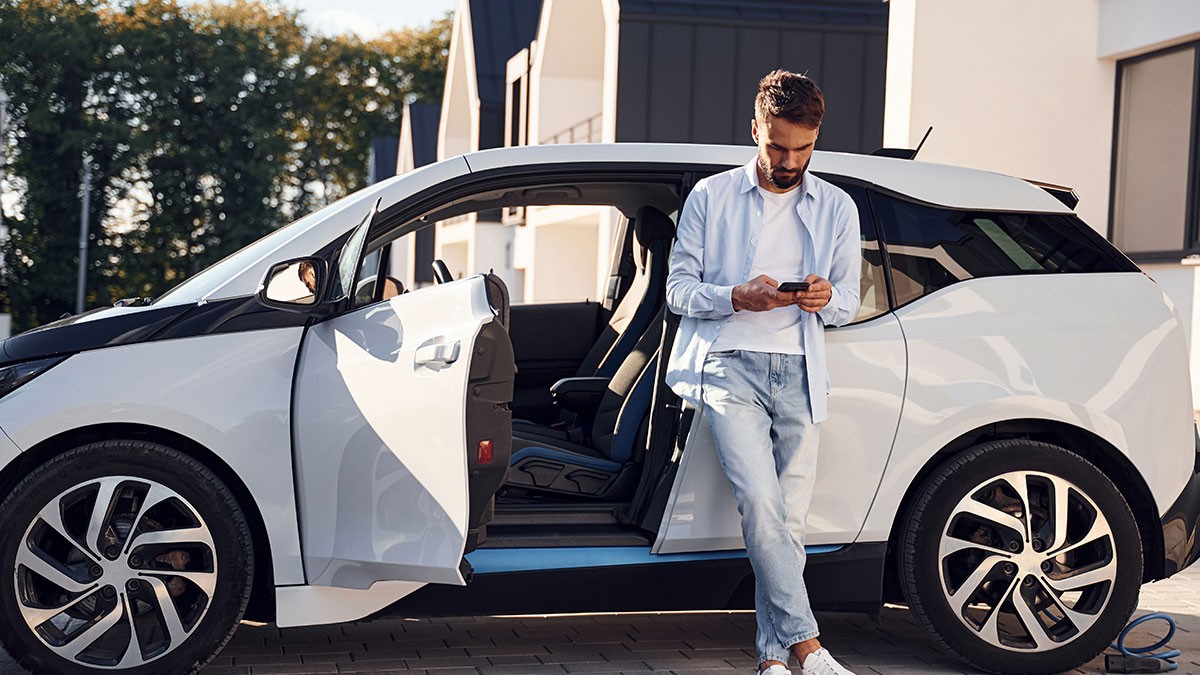
Man leaning against a white car with open door, looking at his phone, wearing casual clothes. Trees and buildings in the background.

Choose UM coverage limits based on your financial situation, health insurance, and how much you can afford to pay after a serious crash. 

Your liability coverage protects you financially if you cause an accident, so consider matching your UM coverage limits to provide the same protection if an uninsured driver hits you. Consider high enough UMPD coverage limits to cover your vehicle in case of a total loss.

Higher limits may also make sense if you have limited savings, high deductible health insurance, a long commute, or regularly travel busy roads that put you at higher risk of a crash. 

In some states, insurers allow you to stack UM/UIM coverages across multiple vehicles, or combine their limits to increase available coverage for uninsured/underinsured accidents.[7] 

How to File an Uninsured Motorist Claim

If an uninsured driver causes a crash, you may be able to file a claim with your insurer to help you recover financially. Follow these steps to file an uninsured motorist claim:

  1. Document the accident. Take photos of vehicle damage, the scene, and any injuries. Get witness contact information and the other driver’s details. If it’s a hit-and-run, report it to the police promptly and save any available evidence.

  2. Contact your insurer. Report the crash and provide the accident details. Your insurer may need a police report to confirm it was a UM-covered accident.

  3. Work with your claims adjuster. Your adjuster will review the accident details and will ask for repair estimates, medical bills, and proof of lost wages.

  4. Review your settlement. Check what your policy covers before accepting payment. A deductible may apply to UMPD claims in some states. 

For underinsured motorist claims, you’ll typically need to file a claim under the at-fault driver’s policy. If your expenses exceed their liability limits, you’ll then file a claim under your own policy for the excess.

Save on Your Next Auto Insurance Policy

Compare rates from the nation’s leading insurance companies.

Excellent
4.6 out of 5 based on 872 reviews
Secure. Free. Easy-to-use.
ProgressiveLiberty MutualAllstate

How to Save on Uninsured Motorist Coverage 

Adding UM coverage usually increases your car insurance premium, but the extra cost depends on your coverage limits, insurance company, and state. Here are some ways to save while still getting the coverage you need:

  • Compare UM coverage limits. Get quotes from multiple insurers with the same UM coverage limits to compare prices, then adjust your limits to see how much extra protection costs.

  • Ask for an insurance review. Choosing the lowest limits just to save money can leave you financially vulnerable to an uninsured or underinsured driver. Your insurer can help you assess your risk and choose the right UM coverage limits.

  • Ask about available discounts. Many insurers offer discounts for bundling home and auto insurance, insuring multiple vehicles, going paperless, driving fewer miles, and being a safe driver. Lower overall rates can help you get the best coverage for the lowest price.

Uninsured Motorist Coverage FAQs

Answers to common questions can help you determine if adding UM coverage to your auto policy is right for you.

What doesn’t uninsured motorist coverage cover?

Uninsured motorist coverage doesn’t cover damages or injuries you cause to others. Liability coverage pays for damage you cause to others, while collision and comprehensive coverage pay for damage to your vehicle.

Is it better to have collision or uninsured motorist coverage?

It’s better to have both, since each covers different types of accidents. Uninsured motorist coverage pays only for injuries or property damage caused by an uninsured driver. Collision coverage pays for accidental damage to your vehicle, regardless of fault.

Why would you reject uninsured motorist coverage?

You might reject uninsured motorist coverage to save money on your premium. It might make sense if you have personal injury protection (PIP) or medical payments (MedPay) coverage, or adequate health insurance. You might also decline UMPD coverage if your vehicle isn’t worth much and you can fix or replace it yourself.

Is uninsured motorist coverage required in California?

No. California requires insurance companies to offer uninsured motorist coverage, but you can decline it by signing a waiver.[8] 

What happens if an uninsured driver hits your car?

If an uninsured driver hits your car, call the police to report the crash, then call your insurer when it’s safe. Uninsured motorist coverage may pay for your medical costs or vehicle damage, depending on your policy and state law.

Sources

  1. Insurance Research Council (IRC). "Uninsured and Underinsured Motorists: 2017–2023."
  2. National Association of Insurance Commissioners (NAIC). "Auto Insurance Database Report."
  3. Maryland Insurance Administration (MIA). "Uninsured Motorist Coverage."
  4. District of Columbia Department of Motor Vehicles (DC DMV). "Vehicle Insurance."
  5. Illinois Department of Insurance (IDOI). "Auto Insurance Shopping Guide."
  6. Missouri Department of Revenue (DOR). "Insurance Information."
  7. Insurance Information Institute. "Background on: Compulsory Auto/Uninsured Motorists."
  8. California Department of Insurance (CDI). "Auto Insurance."
Mandy Sleight
Writer: Mandy SleightInsurance Writer

Mandy Sleight has over 15 years of insurance knowledge and expertise in auto, home, life, health, pet, supplemental benefits, and other insurance products. She’s a sought-after insurance expert, appearing in Bankrate.com, Moneygeek.com, U.S. News & World Report, Reviews.com, CNET, and other publications, and she's been writing for Compare.com since 2023.

Mandy uses her background and experience working for well-known insurance companies like State Farm and Nationwide Insurance to create engaging and easy-to-understand content that helps readers make smarter insurance choices that have a positive effect on their budgets and finances.

Lequita Westbrooks
Editor: Lequita WestbrooksSenior Editor

Qualifications:
  • 3+ years editing insurance content

  • 10+ years in content creation


Lequita's extensive editorial experience spans insurance, personal finance, higher education, and more.

Katie Powers headshot
Reviewer: Katie PowersLicensed P&C Agent and Insurance Editor

Qualifications:
  • Licensed property and casualty insurance agent

  • 5+ years editing insurance content

  • NPN: 20564519


A seasoned editor, insurance author, and licensed agent, Katie is an expert reviewer fact-checking Compare.com articles.